In a design masterstroke, Fisker Automotive has created a completely original vehicle: the first electric luxury/sports automobile for an active and eco-friendly lifestyle. The Fisker Surf builds on the success of the ground-breaking Karma Electric Vehicle with extended range (EVer™) by adding additional, flexible load-carrying capability, along with a spirited new attitude all its own.
Fisker Surf combines performance, luxury, style, utility, and economy with an enduring concern for the sustainable use of resources and respect for our natural environment.
As a global company Fisker Automotive will offer the Surf in all its markets around the world for the 2013 model year. The Fisker Surf will create a new niche and open new customer markets for Fisker, by appealing to those looking for this unique blend of advanced technology, innovative design and environmental sensitivity, with added versatility. Europe, in particular, has demonstrated a historic fondness for sport-wagon design, and it is there where Fisker anticipates strong demand.
The Fisker Surf is the first vehicle of its kind and a radical departure from traditional vehicles offered by other manufacturers. It brings added energy to Fisker's focus on Uncompromised Responsible LuxuryTM and Pure Driving PassionTM.
Exterior Design
Very early in the development of the original Karma sedan, company CEO and Executive Design Director, Henrik Fisker decided a more versatile variant would be part of the model lineup. So when the time came for the evolution from Karma to Surf the path had already been defined for combining utility with bold and striking design.
Showing posts with label Chevrolet. Show all posts
Tuesday, September 27, 2011
Monday, September 26, 2011
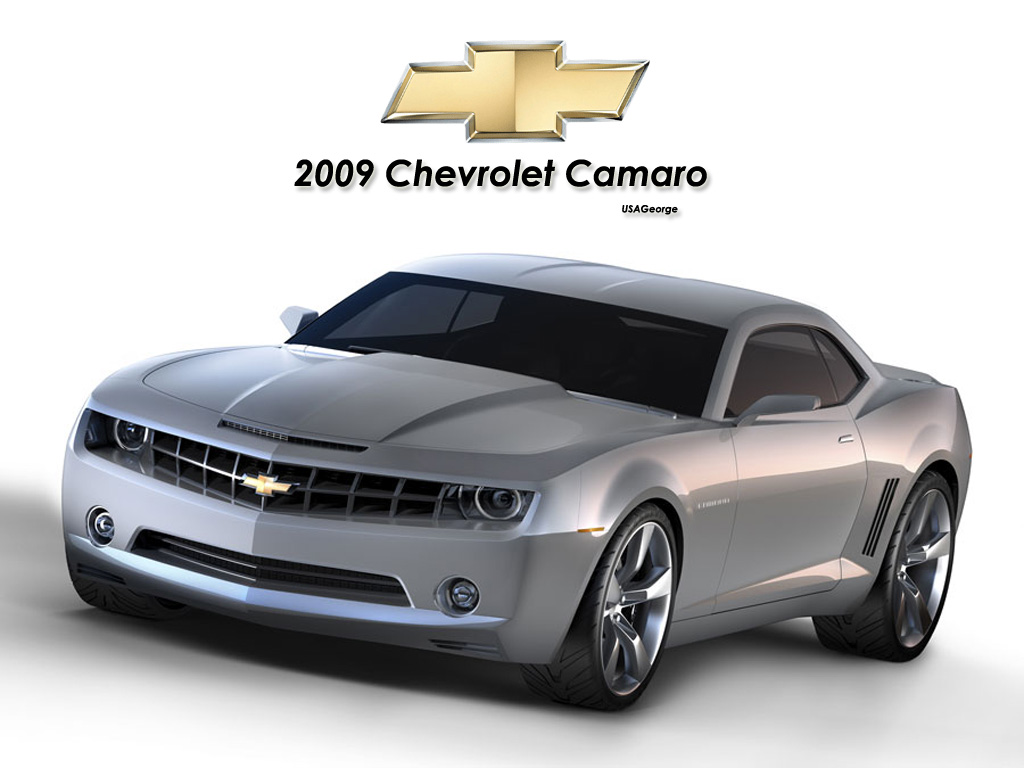
Chevrolet camaro zl1 2012
Chevrolet Camaro with the car more efficient and technologically advanced of its kind ever developed. The new Camaro ZL1 provide continuity, which is a new area with advanced technologies applicable to the benefits. Supported by the V-8 engine that produces 550 horsepower, the Camaro ZL1 is the fastest Chevrolet produced. In addition, a great power, beginning with the suspension ZL1 and how technology is highly advanced, encouraging a balanced and ready to take on the track and braking to supplement the output from its powerful engine.
The main objective of the development of this car was to create something new Camaro, which is to achieve the optimum time, the best race tracks, and to achieve this goal, the engineers changed the Camaro with some existing systems and integrate new technologies, such as power steering, and Magnetic Ride Control suspension and a quicker response to the world.
Monday, July 18, 2011
Chevrolet Colorado Concept
The Chevrolet Colorado Concept was revealed in advance of the 2011 Bangkok International Auto Show, where it is making its global public debut. The concept previews the next-generation Chevrolet Colorado midsize pickup truck, which will build on Chevrolet's strong truck DNA and award-winning heritage. The Chevrolet Colorado goes on sale in Thailand later this year.
"Thailand is the world's-largest market for midsize pickups, so this was the perfect location in which to unveil our new Colorado," said Susan Docherty, vice president, GMIO Sales, Marketing and Aftersales. "Trucks have been part of Chevrolet's core for nearly all of its 100-year history. The Chevrolet Colorado reinforces that heritage with expressive design, refinement and uncompromising capability."
The show truck features an extended-cab body atop a high-stance AWD chassis and rides on large, 20-inch wheels and off-road tires. Power comes from an efficient 2.8L turbo-diesel engine, which produces a broad torque band for excellent cargo and towing capability.
"Although this is a show vehicle, the basic proportions and form convey the vision for the next-generation Chevrolet Colorado that we will bring to market," said Brad Merkel, GM's global vehicle line executive. "It reflects a stylized version of the new truck, one that takes into account rugged dependable truck capabilities for commercial use as well as sophisticated refinement for personal-use needs."
While the new Chevrolet Colorado Concept was developed within GM's global product development organization, engineers took careful steps to ensure it would meet local market needs. Roberto Rempel, GM's global vehicle chief engineer, lived in Thailand for several months during the truck's development, immersing himself in the market and observing how the Thai people use their trucks and the road conditions they experience."Pickups are instrumental in the vibrant Thai economy and owners take great pride in their trucks, which are used for both work and personal driving," he said. "These customers ask a lot of their trucks, so the powertrains and chassis must be very robust to earn their trust - and that's exactly what we've delivered."
Design details
The Chevrolet Colorado Concept's purposeful design conveys strength through bodywork that appears tightly wrapped over the chassis and a wide, confident stance. In the front, Chevrolet's internationally recognized gold bowtie and dual-port grille are framed by large headlamps that flow into the front fenders, and an extractor vent on the hood.
"Around the globe, pickup trucks are associated with strength, capability and function - and that's exactly what the Chevrolet Colorado show truck embodies," said Ed Welburn, GM vice president of Global Design. "Its broad-shouldered proportions are derived from nearly a century of Chevrolet truck heritage."
Pepperdust Metallic exterior paint is accented with polished aluminum details in the fascias, as well as integrated side steps and black-masked projector-style headlamps with LED lighting elements. At the rear is a full-width LED-lit taillamp, which creates a striking appearance when illuminated.
Additional exterior details include:
A streamlined "cab collar" design with a body-color hard tonneau cover on the bed
Gray accents on the side, front and rear lower moldings
20-inch aluminum wheels featuring a "liquid metal" finish, with Stone Gray color wheel ports
Cooper 285/50R20 ZEON LTZ tires
Outside mirrors with LED turn-signal indicators.
Inside, there's another signature Chevrolet cue: a dual-cockpit instrument panel design. It flows into the doors, with continuous lines that create a floating, wraparound effect, amplifying the Chevrolet Colorado's feeling of spaciousness. Ice-blue lighting and high-quality, "double-faced" leather-trimmed seats add sophistication and refinement.
"The interior is designed to deliver a premium and inviting environment, with a greater feeling of spaciousness than is typically found in midsize trucks," said Welburn. "There's also great attention to detail in the execution of the features you see and feel."
A brace of motorcycle-inspired, three-dimensional gauges stand out on the instrument panel, projecting a sporty appearance.
Contrasting trim used with the light-colored leather seating, dark wood trim accented with chrome and low-gloss and soft-touch materials are used throughout for a premium feel. A number of storage compartments are located throughout the interior, including a covered center bin for concealment of valuable items, and a large, dual glovebox.
Additional features include a dual-zone, digital climate control system and the latest in "infotainment" technology. The show truck highlights an ergonomically positioned 7-inch LCD display in the center stack, for easy viewing and intuitive control of Web access, navigation, music and hands-free phone features.
Sunday, June 5, 2011
2013 Chevrolet Silverado 1500
2013 Chevrolet Silverado 1500 is the inclusion of Cheyenne pickup technology for the 2003 model. This is seriously a styling approach that was descendant of the 1955 Cameo, 1988 C/K Silverado, and the 1972 C10 Cheyenne. With this GM has set to craft the model which serves the purpose of the customer offering splendid performance.
The Chevrolet Silverado 1500 has set to give the finishing touch by including the idea of adding vehicle skin from Chevrolet Camaro, which is a great mix of past generation style with robust modern generation style giving an entirely new look to the vehicle. The new and past ideas included in the vehicle would give a distinct look to the vehicle in the market.
The Chevrolet Silverado 1500 offer the direct injection engine along with a large displacement V8 gas engine. Adding to the existing features a stronger and full sized hybrid technology set to introduce more efficient batteries and electric motors to give this truck more power on the road. This is one of the most potent light duty pickup trucks that are available in the market.
Few worth mentioning positive features of 2013 Chevrolet Silverado 1500 include the new sheetmetal and frame equipped gives this light duty truck the descent look of its heavy duty counterparts, enhanced hybrid technology and electric motors help to upgrade engine power, body design is expected to increase the gas mileage, combination of retro styling with trendy features gives appealing looks, besides good design it is set to serve the purpose with great performance.
2012 Chevrolet Sonic
2012 Sonic. Just don't call it the Aveo. The five-door hatch and four-door sedan are set to be officially unveiled later today at the 2011 Detroit Auto Show, but the Bow Tie brand has been kind enough to share the skinny on this vehicle that's supposed to tango with the likes of the new Hyundai Elantra and the Ford Fiesta. The Sonic will be available with a standard 1.8-liter four-cylinder engine, though buyers can opt up for a turbocharged 1.4-liter producing 138 horsepower, which GM underscores is 18 ponies more than the Fiesta. Shifting duties are handled by either a five-speed manual transmission or a six-speed automatic gearbox.
In fact, it's clear that The General had its sights locked on the Fiesta from the get go. The Sonic hatchback packs more back seat room than its Blue Oval competitor and, with the rear bench folded flat, delivers more cargo room, as well.
GM also put plenty of effort into the suspension by tasking the geometry gurus responsible for the Corvette's mighty grip. Up front, while a torsion beam handles suspension duties out back.
There's also plenty design-wise to differentiate the Sonic from its homely predecessor, including a more aggressive front fascia with massive headlight arrays. Judging from the photos, the biggest changes are indoors, where a stylish cockpit replaces the bland, bargain plastics of the Aveo. Stay tuned for live photos from the show floor of the 2011 Detroit Auto Show and hit the jump for the full press release.
2012 Chevrolet Impala
When Chevrolet returned the Impala to its lineup after a brief hiatus in 1999 as a 2000 model, many thought that Chevrolet would continue to emphasis the brand’s flagship sedan. Sadly, the GM bankruptcy seems to have cut those dreams short and the 2012 that is expected to hit showrooms in late 2011 will be largely unchanged if industry rumors prove to be accurate. Considering the fact that no Impala show cars have hit the car shows only seems to validate the idea that the current Impala will soldier on a bit longer.
Model History
A stunning 9 generations of Impalas have graced the Chevrolet label since 1958. With the muscle car trend arriving only shortly after the unveiling of the Impala, it was probably no coincidence that the car quickly got an SS badge and even non-SS models were treated to options such as Chevy’s ludicrously powerful 409 cid. The 1961 Impala SS paved the way for future Impala SS’s and set sales records back in its day, including 243,114 during 1965 alone.
Future
Sadly, the 9th generation Impala SS was dropped for the 2010 model year but it is an almost given that the SS badge will return when the vehicle is refreshed in a few years. Competitors in the full-sized American car bracket have all but died out with the death of Ford’s Crown Victoria and Dodge/Chrysler losing the Intrepid and the re-branding of the 300. In short, the true full-sized car market is essentially left only to the Impala at the moment, though there are a few imports that are not quite in the same league in terms of price and size.
2012 Chevrolet Aveo Sedan
Prior to the launch of the highly successful Cruze, the Aveo was Chevrolet's best-selling car globally. An all-new Aveo goes on sale summer 2011 and it is designed to expand on the nameplate's success in the highly competitive small car market. It will be offered as a five-door hatch and as a sedan, each delivering excellent ride and handling characteristics and a sporty and sophisticated design, as well as roominess and fuel efficiency.
Equally at home on the daily commute to work or the weekend drive to the countryside, the new Aveo is a compelling choice for young and young-at-heart, style-conscious drivers - and it complements a range of exciting new Chevrolet designs that will be launched throughout 2011, Chevrolet's centennial year.
"It's such an exciting time to be at Chevrolet: Not only do we have new entries into the MPV and compact classes, in Chevrolet Aveo we have a completely new car which is ready to compete against the best in the small-car segment, which is also Europe's largest segment," says Wayne Brannon, President and Managing Director of Chevrolet Europe.
The latest edition of the 2012 Sedan is an all-new vehicle that includes a completely redesigned exterior and passenger cabin, a newly developed chassis and body structure, as well as an upgraded range of fuel-efficient, low-emission engines.
The Chevrolet Aveo has been engineered to make everyday driving in a small car a more dynamic and enjoyable experience, while delivering practical, hands-on solutions and value. In order to ensure responsive handling, engineers developed an all-new chassis for the Aveo that is among the most rigid in its segment.
Friday, June 3, 2011
2013 Chevrolet Malibu
The all-new 2013 Chevrolet Malibu made its global debut at the 2011 Auto Shanghai, with simultaneous introductions in the United States and China - two of the nearly 100 countries on six continents where it will be sold. Chevrolet's first global midsize sedan will provide customers from Shanghai to New York and Sydney to Sao Paulo with expressive design, advanced technologies, ride performance and fuel-efficient powertrains.
"The current Malibu has left an award-winning impression and changed the way people think about Chevrolet. It redefined what an American midsize car could be," said Rick Scheidt, vice president, Chevrolet Marketing. "This all-new Chevrolet Malibu delivers on the intangibles of today's Malibu but gives customers even more: more style, fuel efficiency, content and features, craftsmanship, and dynamic capabilities rivaling high-end sedans."
Expressive and efficient exterior
"The exterior design of the all-new Chevrolet Malibu carries DNA from its sister vehicles, the Camaro and Corvette, to bring a sporty sensibility to the family sedan segment," said Bryan Nesbitt, executive director for GM exterior design and Chevrolet Brand Champion.
A wider stance, broad shoulders and an integrated rear spoiler bring a new athleticism to Malibu and give it a more aggressive appearance. The new Chevrolet Malibu has a 4.5-inch (114 mm) shorter wheelbase and 62-inch (1,574 mm) front and rear tracks that are more than 2 inches (51 mm) wider than the model it replaces.Other exterior design cues include Chevrolet's dual-port grille, projector HID headlamps, larger Chevrolet bow-tie badges front and rear, and new Camaro-inspired LED dual-element taillamps. The look is complemented by a range of large 17-, 18- and 19-inch wheels.
The new Malibu exterior is anticipated to be SAE-certified as one of the most aerodynamically efficient cars in the segment, with a coefficient of drag (Cd) rating near Chevrolet Volt's Cd of .280. Because of Chevrolet Malibu's new shape and design, engineers were able to remove 60 counts of wind drag compared to the model it replaces.
Chevrolet Malibu also has electronically controlled and integrated active aero shutters (select models in North American markets) to improve aerodynamics and enhance fuel economy without sacrificing the exterior design.
Chevrolet Malibu's active shutter system automatically closes airflow through the lower intake opening when air intake is least needed. When closed, the shutter system enhances aerodynamic performance by redirecting airflow around the front of the vehicle and down the sides, rather than through it. Whether the shutter is open or closed depends on engine coolant temperature and speed - for example, the shutters open when the car is traveling up a hill, pulling a trailer, or in hot city driving; the shutters close at highway speeds when less engine cooling is required.
Roomier, more refined interior
The new Malibu interior was designed to bring an element of sophistication to everyday driving, featuring an all-new dual cockpit design that creates an inviting, roomy and comfortable environment.
The increased width of the new Chevrolet Malibu means a more spacious cabin. Compared to the previous model, it has nearly 4 cubic feet (113 L) of additional interior volume, along with more shoulder and hip room.
The Chevrolet Malibu interior features metallic, chrome or wood accents located around the shifter, surrounding the center stack, around the instrument cluster and on doors and the steering wheel. Soft, ice blue ambient lighting reflects off of and complements chrome accents and ensures even, consistent illumination along the instrument panel and in storage pockets. Ice blue lighting on the center stack dials, exposed ice blue French contrast stitching, soft-touch and textured surfaces, and strategic applications of noise-deadening materials add to Malibu's interior refinement.
The Chevrolet Malibu also has a number of storage areas, including a radio face that articulates up and down to reveal a six-inch deep storage area behind its seven-inch touch-screen radio display - a U.S. first in a midsize car. Malibu will also offer a full range of the latest infotainment options, including new color radio systems and an available navigation system.
Malibu will include Chevrolet's new MyLink infotainment package at launch. It builds on the safety and security of OnStar and seamlessly integrates online services like Pandora® internet radio and Stitcher SmartRadio®. MyLink integrates wireless connectivity through Bluetooth to enable hands-free use of selected smart phone apps while the device remains safely stowed.
MyLink features a high-resolution, full-color touch screen display designed to manage the number of steps required to complete a task. MyLink also adds stereo audio streaming and wireless control of smart phones, building on the Bluetooth hands-free calling capability already offered in most Chevrolet vehicles.
All-new 2.5L powertrain
The 2013 Malibu features a global lineup of fuel-efficient and powerful four-cylinder engines that complements its European-inspired driving characteristics.
An all-new Ecotec 2.5L dual overhead cam, four-cylinder engine with direct injection leads Chevrolet Malibu's engine lineup in North America. It is expected to be one of the most efficient of its size in the market. New features include enhanced authority continuously variable valve timing, variable-displacement oil pump and electronic thermostat that save fuel, while delivering V-6-like performance. It is estimated the engine will be SAE-certified at more than 190 horsepower (141 kW) and 180 lb.-ft. of torque (245 Nm). The new engine has noise-reducing features such as a cast exhaust manifold, steel crank, low-noise timing chain and direct mount accessories that contribute to a quiet-cabin experience.
The 2.5L is mated to a Hydra-Matic 6T40 six-speed automatic with features designed to enhance powertrain efficiency. They include changes to clutch controls and hardware that improves shift response and time. These changes enabled engineers to specify higher gearing to improve cruising efficiency while maintaining acceleration performance and driveability.
Driving experience
The 2013 Chevrolet Malibu delivers precise ride and handling. It has been engineered to be best-in-class and on par with more expensive sports sedans.
Benefiting from continuous refinement of an award-winning global architecture, engineers have tested, tuned and calibrated the Chevrolet Malibu on rural roads, highways, freeways and GM validation facilities around the world.
Contributing to the Chevrolet Malibu's ride and handling characteristics are:
A solid body structure as stiff as any in the global midsize sedan market, allowing for precise tuning and dynamic vehicle control
A premium steering gear for smooth, precise responsiveness and on-center feel
Proven and continuously refined MacPherson strut front and multi-link rear suspensions
Large, ventilated front disc and solid rear disc brakes, clamped on by dual-piston front and single-piston rear aluminum calipers, which are expected to deliver segment-best stopping distance
An isolated engine cradle for tuned, refined feedback, without noise or vibration
Fuel-saving electric power rack-and-pinion variable-effort power steering, resulting in effortless low-speed maneuvers and a higher degree of steering feel at higher speeds
Chassis control technologies include four-channel anti-lock brakes, full-function traction control, four-corner electronic stability control, electronic brake force distribution, brake assist system, corner brake control, hydraulic brake fade assist and drag torque control.
Safety features
When it comes to safety features, the new Chevrolet Malibu will be one of the best-equipped in the segment. The Malibu will also be pedestrian protection-compliant in all markets where it is sold, and for the first time in North America. Pedestrian protection design in the front of the vehicle reduces the chance of secondary collision between the pedestrian and engine block in car-pedestrian accidents.
The Chevrolet Malibu will also offer these standard and available safety features:
Dual-stage driver and front passenger air bags
Driver and front passenger pelvic/thorax side-impact air bags
Driver and passenger knee air bags
Roof rail air bags with rollover protection
Available second-row head/thorax side-impact air bags
Available lane departure warning system with forward collision alert
Available rearview camera system
OnStar is also included in Chevrolet Malibu's safety features and includes Automatic Crash Response, as well as improved voice recognition technology, remote diagnostics, remote door unlock, Stolen Vehicle Slowdown and six months of uplevel Directions and Connections service that includes Turn-By-Turn Navigation.
The new Chevrolet Malibu comes in LS, LT and LTZ trim levels, with 10 exterior colors and four interior color combination choices in North America, depending on the model. Malibu production in the United States begins in early 2012. It will be built in multiple locations around the globe, including the Fairfax, Kan. and Detroit-Hamtramck assembly plants in the United States.
Monday, April 11, 2011
Chevrolet Corvette Review
Often referred to as America's only true sports car, the Chevrolet Corvette is one of the world's best known and longest-running nameplates. Oddly, it had a rather humble beginning, starting life back in 1953 with a straight-6 engine and a two-speed automatic transmission. The first few years saw the fiberglass-bodied two-seater from Chevrolet earn praise for its handling but criticism for its relatively tame performance. (At the time, it was soundly outgunned by a variety of European sports cars in terms of performance.)
2008 Chevrolet Corvette Convertible
Thankfully, a V8 engine option debuted in 1955, and by the late '50s, the Chevy Corvette could hit 60 mph in less than 6 seconds. The intervening decades have seen the Corvette pass through multiple generations. Each decade has brought its own Corvette theme, including the muscle-bound '60s, the highly stylized '70s and the electronically aided '80s. More recently, the Corvette has improved enough in the refinement department that many finally consider it worthy to compete against the world's best.
Highlights of the Corvette's timeline include the '57 Fuelie (the nickname for the optional fuel-injected 283 V8), the '63 Sting Ray split-window coupe, the '65-'67 big blocks (427-cubic-inch V8s), the high-revving LT-1s of the early '70s, the ultra-high-performance ZR-1s of the early '90s and the fast yet user-friendly C5s (fifth generation) of the late '90s. Of course today's Corvette, an outright bargain when compared to sports cars from Europe, should be acknowledged as well. The current Corvette offers the performance of an all-out exotic at a third to a quarter of the price.
Current Chevrolet Corvette
Debuting in 2005, the current Chevrolet Corvette (known as the C6) is by far the best yet. As with past Vettes, a coupe and convertible are offered. Performance is exceptional, with the 0-60-mph sprint taking less than 5 seconds, the quarter-mile taking less than 13 and top speed in excess of 180 mph. That's for the standard Corvette. The Z06 version is even more thrilling, hitting 60 in the low 4s, the quarter in the low 12s and running on up to a top end approaching 200 mph. The standard Corvette comes with a 6.0-liter, 400-horsepower V8 coupled to either a six-speed manual or optional six-speed automatic. The Z06 comes with a 7.0-liter V8 with 505 hp mated to a six-speed manual.
The newest Chevrolet Corvette is equally impressive in terms of its improved build quality and increased daily driver usability. The cockpit boasts friendly ergonomics, supportive seats and excellent fit and finish. As before, the car's hatchback body style provides massive cargo capacity, which stands at 22 cubic feet in the coupe. A choice of three suspensions (standard, optional Magnetic Ride Control with Sport and Touring modes and track-ready Z51) for the regular Corvette mean there's a setup for everyone, from casual enthusiasts to hard-core apex clippers -- and all provide a fairly smooth ride. The Z06, in spite of its immense capabilities, is still docile enough to handle the daily commute without making the driver grit his teeth every time he faces stop-and-go traffic or a rough section of pavement.
In reviews from our editors and posted consumer commentary, the C6 garnered high marks and universal praise for its combination of strong performance, razor-sharp handling, comfortable ride, eye-catching style, affordability and relatively impressive fuel economy. Complaints were minor in comparison, centering on the manual transmission's clunky gearchanges, along with the cabin's mediocre cupholder and storage provisions, ho-hum interior materials and underwhelming Bose audio system.
Past Chevrolet Corvette Models
The previous Corvette (the C5) was built from 1997-2004 and marked the Corvette's transition from a capable but flawed (in terms of comfort and ergonomics) to world-class sports car. Easier to get in and out of than the C4, the C5 also boasted a new chassis that had nearly 50/50 weight distribution between the front and rear axles, a more compliant suspension, a much roomier cockpit with more supportive seats and a new "LS1" 5.7-liter V8 that made 345 hp. The transmission choices were a six-speed manual and four-speed automatic.
With a 0-60-mph time of fewer than 5 seconds and a top speed of around 175, there wasn't much that could touch this Vette short of a few big-dollar exotics from Europe. That first year saw just the hatchback body, whose styling drew barbs for its rather large hindquarters. But the benefit of the big butt was more than 20 cubic feet of cargo capacity under the rear hatch. A convertible joined the lineup for '98 and the following year brought a fixed-roof coupe. For 2001, the mighty Z06, a reincarnation of an earlier "Z06" performance package from the '60s, debuted, bringing 385 hp to an already impressive chassis. As if that weren't enough, the Z06 gained 20 hp the very next year.
Enthusiasts looking for a sports car they can live with day in and day out would be well advised to seriously consider a Chevy Corvette from this generation. Pros and cons are mostly similar to the current generation, and although the C5 has been criticized for spotty build quality, this Corvette still offers the most bang for the buck in the used sports car marketplace.
The fourth-generation Chevrolet Corvette, or C4, is the other model that non car-collectors will likely be interested in. It was available for the 1984-'96 model years. The flamboyant style of the previous generation was replaced with a leaner look, and a racetrack-ready suspension featuring lightweight alloy components debuted as well. First-year cars should be avoided, as the 5.7-liter V8 made just 205 hp with its troublesome "Crossfire Injection" setup, while the suspension was much too stiff for daily driver duty. Subsequent years saw the debut of a convertible, more power and suspension refinements. By 1990, the Corvette was a well-sorted sports car with precise handling and respectable performance from its 250-hp engine. That year also saw the debut of the ZR-1 supercar, which could run the quarter-mile in the low 13s and hit a top speed of around 175 mph, thanks to its 375-hp, 5.7-liter V8. For '92, the standard Corvette gained more power via the 300-hp LT1 V8. The ZR-1's output shot up to 405 hp for '93. The last year of this Corvette's generation saw the availability of a 330-hp version of the LT1 V8.
Although the C4 is regarded as desirable in terms of performance for the price, its awkward ingress/egress, cramped cockpit and stiff ride make it a weekend toy for all but the most ardent enthusiasts.
2008 Chevrolet Corvette Convertible
Thankfully, a V8 engine option debuted in 1955, and by the late '50s, the Chevy Corvette could hit 60 mph in less than 6 seconds. The intervening decades have seen the Corvette pass through multiple generations. Each decade has brought its own Corvette theme, including the muscle-bound '60s, the highly stylized '70s and the electronically aided '80s. More recently, the Corvette has improved enough in the refinement department that many finally consider it worthy to compete against the world's best.
Highlights of the Corvette's timeline include the '57 Fuelie (the nickname for the optional fuel-injected 283 V8), the '63 Sting Ray split-window coupe, the '65-'67 big blocks (427-cubic-inch V8s), the high-revving LT-1s of the early '70s, the ultra-high-performance ZR-1s of the early '90s and the fast yet user-friendly C5s (fifth generation) of the late '90s. Of course today's Corvette, an outright bargain when compared to sports cars from Europe, should be acknowledged as well. The current Corvette offers the performance of an all-out exotic at a third to a quarter of the price.
Current Chevrolet Corvette
Debuting in 2005, the current Chevrolet Corvette (known as the C6) is by far the best yet. As with past Vettes, a coupe and convertible are offered. Performance is exceptional, with the 0-60-mph sprint taking less than 5 seconds, the quarter-mile taking less than 13 and top speed in excess of 180 mph. That's for the standard Corvette. The Z06 version is even more thrilling, hitting 60 in the low 4s, the quarter in the low 12s and running on up to a top end approaching 200 mph. The standard Corvette comes with a 6.0-liter, 400-horsepower V8 coupled to either a six-speed manual or optional six-speed automatic. The Z06 comes with a 7.0-liter V8 with 505 hp mated to a six-speed manual.
The newest Chevrolet Corvette is equally impressive in terms of its improved build quality and increased daily driver usability. The cockpit boasts friendly ergonomics, supportive seats and excellent fit and finish. As before, the car's hatchback body style provides massive cargo capacity, which stands at 22 cubic feet in the coupe. A choice of three suspensions (standard, optional Magnetic Ride Control with Sport and Touring modes and track-ready Z51) for the regular Corvette mean there's a setup for everyone, from casual enthusiasts to hard-core apex clippers -- and all provide a fairly smooth ride. The Z06, in spite of its immense capabilities, is still docile enough to handle the daily commute without making the driver grit his teeth every time he faces stop-and-go traffic or a rough section of pavement.
In reviews from our editors and posted consumer commentary, the C6 garnered high marks and universal praise for its combination of strong performance, razor-sharp handling, comfortable ride, eye-catching style, affordability and relatively impressive fuel economy. Complaints were minor in comparison, centering on the manual transmission's clunky gearchanges, along with the cabin's mediocre cupholder and storage provisions, ho-hum interior materials and underwhelming Bose audio system.
Past Chevrolet Corvette Models
The previous Corvette (the C5) was built from 1997-2004 and marked the Corvette's transition from a capable but flawed (in terms of comfort and ergonomics) to world-class sports car. Easier to get in and out of than the C4, the C5 also boasted a new chassis that had nearly 50/50 weight distribution between the front and rear axles, a more compliant suspension, a much roomier cockpit with more supportive seats and a new "LS1" 5.7-liter V8 that made 345 hp. The transmission choices were a six-speed manual and four-speed automatic.
With a 0-60-mph time of fewer than 5 seconds and a top speed of around 175, there wasn't much that could touch this Vette short of a few big-dollar exotics from Europe. That first year saw just the hatchback body, whose styling drew barbs for its rather large hindquarters. But the benefit of the big butt was more than 20 cubic feet of cargo capacity under the rear hatch. A convertible joined the lineup for '98 and the following year brought a fixed-roof coupe. For 2001, the mighty Z06, a reincarnation of an earlier "Z06" performance package from the '60s, debuted, bringing 385 hp to an already impressive chassis. As if that weren't enough, the Z06 gained 20 hp the very next year.
Enthusiasts looking for a sports car they can live with day in and day out would be well advised to seriously consider a Chevy Corvette from this generation. Pros and cons are mostly similar to the current generation, and although the C5 has been criticized for spotty build quality, this Corvette still offers the most bang for the buck in the used sports car marketplace.
The fourth-generation Chevrolet Corvette, or C4, is the other model that non car-collectors will likely be interested in. It was available for the 1984-'96 model years. The flamboyant style of the previous generation was replaced with a leaner look, and a racetrack-ready suspension featuring lightweight alloy components debuted as well. First-year cars should be avoided, as the 5.7-liter V8 made just 205 hp with its troublesome "Crossfire Injection" setup, while the suspension was much too stiff for daily driver duty. Subsequent years saw the debut of a convertible, more power and suspension refinements. By 1990, the Corvette was a well-sorted sports car with precise handling and respectable performance from its 250-hp engine. That year also saw the debut of the ZR-1 supercar, which could run the quarter-mile in the low 13s and hit a top speed of around 175 mph, thanks to its 375-hp, 5.7-liter V8. For '92, the standard Corvette gained more power via the 300-hp LT1 V8. The ZR-1's output shot up to 405 hp for '93. The last year of this Corvette's generation saw the availability of a 330-hp version of the LT1 V8.
Although the C4 is regarded as desirable in terms of performance for the price, its awkward ingress/egress, cramped cockpit and stiff ride make it a weekend toy for all but the most ardent enthusiasts.
Friday, February 11, 2011
Chevrolet Impala Review
2008 Chevrolet Impala LT Sedan Shown
When Chevrolet sent the first Impala off the assembly line in 1958, it was meant to be "a prestige car within the reach of the average American citizen." It would seem that the company was successful; nearly 50 years on, the Chevrolet Impala has gone on to become one of America's most well-known nameplates.
Throughout the '60s, the Chevy Impala dominated the sales charts, culminating in 1965 when more than 1 million were sold. Though the popularity of smaller, midsize muscle cars slowly ate away at sales of the Impala, it continued to sell in big numbers, registering as the best-selling car in America in 1973.
The Impala nameplate languished in the early '80s, eventually getting dropped in 1986 in favor of the Caprice designation. To the delight of enthusiasts, however, a Caprice-based Impala SS briefly returned in the mid-1990s with a Corvette-derived V8 and a monochromatic color scheme that made the car a bad-to-the-bone, rear-wheel-drive family sport sedan.
Since the new millennium, the modern Impala has served as Chevrolet's main full-size sedan, capable of transporting up to six people. With front-wheel drive and V6 power on most trim levels, the current Impala isn't exactly a tribute to the past, but it does continue the tradition of large, affordable Chevrolet family sedans.
The move to smaller, more efficient engines gives buyers enough power when they need it while still providing respectable mileage -- never one of the Impala's strong points in the past. And for buyers who truly desire a V8, the latest Impala SS does indeed have one under its hood.
The latest Chevrolet Impala has been available since the 2006 model year. It's a bit bigger than the typical family sedan, and with a front bench seat can accommodate six passengers in a pinch. There are four available trim levels: entry-level LS, mid-grade LT, premium LTZ and performance-oriented SS. Improvements on this model compared to the previous-generation Impala include new engines, more composed handling, a higher-quality interior and updated styling.
The standard engine is a 3.5-liter V6 that produces 211 horsepower. Available on the LT and standard on the LTZ is a 3.9-liter V6 with 240 hp. The Chevy Impala SS has a 5.3-liter V8 making an impressive 303 hp. All Impala models employ a four-speed automatic transmission that sends the power through the front wheels.
Shoppers looking for a used Chevrolet Impala will most likely encounter the previous-generation model, which was offered from 2000-'05 with minimal changes. Its basic dimensions are very similar to those of the current model, but it lacks that model's significant updates. For this generation, there were two main trim levels -- base and LS. In 2004, Chevy added the SS trim.
Base-model Impalas were powered by a 3.4-liter V6 engine that produced 180 hp. Stepping up to LS trim got you a 200-hp, 3.8-liter V6. The SS had a supercharged version of the 3.8-liter V6 making 240 hp. Though popular in terms of sales, this Impala did not fare well in reviews conducted by Edmunds.com editors. Noted downsides included bland interior and exterior design, vague steering and a soggy suspension on base and LS models.
Previous to this, there was a short-lived Chevy Impala SS. Offered from 1994-'96, it was based on the rear-drive Caprice. The SS featured a 260-hp, 5.7-liter V8 derived from the Corvette, large 17-inch wheels and tires, a sport tuned suspension, a monochromatic exterior (black only in its first year) and many hardware upgrades normally fitted to law enforcement vehicles. Today, the '90s Impala SS's have taken on a "collectible" quality.
There are also plenty of Impalas left from earlier decades. Those early Impalas were often America's most popular car, and they still hold significance today. They are prime candidates for restoring, traditional hot-rodding or modern customizing, the latter typically involving powerful audio/video systems, massive wheels and/or hydraulic suspensions.
When Chevrolet sent the first Impala off the assembly line in 1958, it was meant to be "a prestige car within the reach of the average American citizen." It would seem that the company was successful; nearly 50 years on, the Chevrolet Impala has gone on to become one of America's most well-known nameplates.
Throughout the '60s, the Chevy Impala dominated the sales charts, culminating in 1965 when more than 1 million were sold. Though the popularity of smaller, midsize muscle cars slowly ate away at sales of the Impala, it continued to sell in big numbers, registering as the best-selling car in America in 1973.
The Impala nameplate languished in the early '80s, eventually getting dropped in 1986 in favor of the Caprice designation. To the delight of enthusiasts, however, a Caprice-based Impala SS briefly returned in the mid-1990s with a Corvette-derived V8 and a monochromatic color scheme that made the car a bad-to-the-bone, rear-wheel-drive family sport sedan.
Since the new millennium, the modern Impala has served as Chevrolet's main full-size sedan, capable of transporting up to six people. With front-wheel drive and V6 power on most trim levels, the current Impala isn't exactly a tribute to the past, but it does continue the tradition of large, affordable Chevrolet family sedans.
The move to smaller, more efficient engines gives buyers enough power when they need it while still providing respectable mileage -- never one of the Impala's strong points in the past. And for buyers who truly desire a V8, the latest Impala SS does indeed have one under its hood.
The latest Chevrolet Impala has been available since the 2006 model year. It's a bit bigger than the typical family sedan, and with a front bench seat can accommodate six passengers in a pinch. There are four available trim levels: entry-level LS, mid-grade LT, premium LTZ and performance-oriented SS. Improvements on this model compared to the previous-generation Impala include new engines, more composed handling, a higher-quality interior and updated styling.
The standard engine is a 3.5-liter V6 that produces 211 horsepower. Available on the LT and standard on the LTZ is a 3.9-liter V6 with 240 hp. The Chevy Impala SS has a 5.3-liter V8 making an impressive 303 hp. All Impala models employ a four-speed automatic transmission that sends the power through the front wheels.
Shoppers looking for a used Chevrolet Impala will most likely encounter the previous-generation model, which was offered from 2000-'05 with minimal changes. Its basic dimensions are very similar to those of the current model, but it lacks that model's significant updates. For this generation, there were two main trim levels -- base and LS. In 2004, Chevy added the SS trim.
Base-model Impalas were powered by a 3.4-liter V6 engine that produced 180 hp. Stepping up to LS trim got you a 200-hp, 3.8-liter V6. The SS had a supercharged version of the 3.8-liter V6 making 240 hp. Though popular in terms of sales, this Impala did not fare well in reviews conducted by Edmunds.com editors. Noted downsides included bland interior and exterior design, vague steering and a soggy suspension on base and LS models.
Previous to this, there was a short-lived Chevy Impala SS. Offered from 1994-'96, it was based on the rear-drive Caprice. The SS featured a 260-hp, 5.7-liter V8 derived from the Corvette, large 17-inch wheels and tires, a sport tuned suspension, a monochromatic exterior (black only in its first year) and many hardware upgrades normally fitted to law enforcement vehicles. Today, the '90s Impala SS's have taken on a "collectible" quality.
There are also plenty of Impalas left from earlier decades. Those early Impalas were often America's most popular car, and they still hold significance today. They are prime candidates for restoring, traditional hot-rodding or modern customizing, the latter typically involving powerful audio/video systems, massive wheels and/or hydraulic suspensions.
Tuesday, January 11, 2011
Chevrolet Monte Carlo Review
2007 Chevrolet Monte Carlo LT Coupe
The Chevrolet Monte Carlo traces its roots back several decades to the height of the muscle car era, when Chevy sought to entice customers with a sporty, upscale rear-drive V8 coupe that provided a balance of performance and comfort in a stylish package. From those early years -- which included big-block SS (Super Sport) editions -- the Monte Carlo evolved toward a more luxury-oriented persona, saw significant downsizing (to optimize fuel efficiency) and soldiered on as a popular rear-drive sport coupe until 1988, when it was replaced by the Lumina coupe.
Following a lengthy hiatus, the Chevy Monte Carlo emerged once again in 1995. However, by then it had been softened and saddled with a carryover front-wheel-drive platform and V6 engines that barely hinted at the performance of years gone by. It was, in essence, a Lumina coupe.
The current-generation Chevrolet Monte Carlo coupe debuted in 2000 with more distinctive styling and updated underpinnings from the Impala sedan to better meet the needs of today's buyers. Significant changes in 2006 have helped the Monte Carlo come nearly full circle back to its original mission with sportier chassis tuning, improved driving dynamics and more power in SS models, while freshened interior and exterior styling offer a sculpted and pleasing contemporary appearance.
Although much improved in the past few years -- including a return to available V8 power in SS trim -- we feel that other performance sport coupe competitors like the Mustang offer a more satisfying choice as long as you don't mind giving up some interior room. In reviews, our editors say the Monte Carlo is primarily a comfortable cruiser that's more at home in the fast lane than on twisty mountain roads. If the latter is your preferred driving environment, you may want to consider other brighter, more focused alternatives.
The current-generation Chevrolet Monte Carlo, which received a major update for the 2006 model year, is a midsize two-door coupe that comes in three trim levels: the base but reasonably well-equipped LS, the more upscale LT and the performance-oriented SS. Under the hood of LS and LT models is a 3.5-liter V6 with 211 horsepower, while the SS boasts a responsive 5.3-liter V8 with 303 hp. Impressive numbers, yes. But we'd like them even better if they powered the rear wheels like Monte Carlos of years ago, especially in the case of the SS. A front-engine/rear-drive layout is typically preferable for optimum weight distribution and balanced handling, especially when that engine is a heavy V8.
Overall, this Chevy Monte Carlo is a spacious sport coupe that offers buyers a reasonably good comfort/performance trade-off for a relatively low sticker price. The V8-equipped Monte Carlo SS suffers from a nose-heavy feel, however. If quick reflexes are on your wish list instead and you don't mind tighter quarters, we suggest you consider one of its smaller but more nimble sport coupe competitors.
Used-car shoppers interested in a late-model Monte Carlo will likely encounter the previous-generation model, which was available from the 2000-'05 model years. Based on the then-new Impala platform and wearing distinctive, fresh sheet metal with heritage styling cues, the Chevrolet Monte Carlo was originally offered as an LS with a 3.4-liter V6 engine making 180 hp, or an SS with a 200-hp 3.8-liter V6. A driver-side airbag -- as well as traction control and OnStar on SS models -- was added as standard safety equipment in 2001, and all models received four-wheel disc brakes, traction control and remote keyless entry in 2003. In a bid to boost its performance image, Chevrolet added a 240-hp supercharged engine option for the SS in 2004.
Previous to this model, there was the Lumina-based Monte Carlo, which became available for the 1995 model year in LS or Z34 sport trim levels. Those wishing to hit the fast lane are advised to stick with the 210-hp 3.4-liter twincam V6 in the Z34. Detail improvements carried the Chevrolet Monte Carlo through the next several years, though only the most eagle-eyed used-car shoppers are likely to appreciate the differences.
The Chevrolet Monte Carlo traces its roots back several decades to the height of the muscle car era, when Chevy sought to entice customers with a sporty, upscale rear-drive V8 coupe that provided a balance of performance and comfort in a stylish package. From those early years -- which included big-block SS (Super Sport) editions -- the Monte Carlo evolved toward a more luxury-oriented persona, saw significant downsizing (to optimize fuel efficiency) and soldiered on as a popular rear-drive sport coupe until 1988, when it was replaced by the Lumina coupe.
Following a lengthy hiatus, the Chevy Monte Carlo emerged once again in 1995. However, by then it had been softened and saddled with a carryover front-wheel-drive platform and V6 engines that barely hinted at the performance of years gone by. It was, in essence, a Lumina coupe.
The current-generation Chevrolet Monte Carlo coupe debuted in 2000 with more distinctive styling and updated underpinnings from the Impala sedan to better meet the needs of today's buyers. Significant changes in 2006 have helped the Monte Carlo come nearly full circle back to its original mission with sportier chassis tuning, improved driving dynamics and more power in SS models, while freshened interior and exterior styling offer a sculpted and pleasing contemporary appearance.
Although much improved in the past few years -- including a return to available V8 power in SS trim -- we feel that other performance sport coupe competitors like the Mustang offer a more satisfying choice as long as you don't mind giving up some interior room. In reviews, our editors say the Monte Carlo is primarily a comfortable cruiser that's more at home in the fast lane than on twisty mountain roads. If the latter is your preferred driving environment, you may want to consider other brighter, more focused alternatives.
The current-generation Chevrolet Monte Carlo, which received a major update for the 2006 model year, is a midsize two-door coupe that comes in three trim levels: the base but reasonably well-equipped LS, the more upscale LT and the performance-oriented SS. Under the hood of LS and LT models is a 3.5-liter V6 with 211 horsepower, while the SS boasts a responsive 5.3-liter V8 with 303 hp. Impressive numbers, yes. But we'd like them even better if they powered the rear wheels like Monte Carlos of years ago, especially in the case of the SS. A front-engine/rear-drive layout is typically preferable for optimum weight distribution and balanced handling, especially when that engine is a heavy V8.
Overall, this Chevy Monte Carlo is a spacious sport coupe that offers buyers a reasonably good comfort/performance trade-off for a relatively low sticker price. The V8-equipped Monte Carlo SS suffers from a nose-heavy feel, however. If quick reflexes are on your wish list instead and you don't mind tighter quarters, we suggest you consider one of its smaller but more nimble sport coupe competitors.
Used-car shoppers interested in a late-model Monte Carlo will likely encounter the previous-generation model, which was available from the 2000-'05 model years. Based on the then-new Impala platform and wearing distinctive, fresh sheet metal with heritage styling cues, the Chevrolet Monte Carlo was originally offered as an LS with a 3.4-liter V6 engine making 180 hp, or an SS with a 200-hp 3.8-liter V6. A driver-side airbag -- as well as traction control and OnStar on SS models -- was added as standard safety equipment in 2001, and all models received four-wheel disc brakes, traction control and remote keyless entry in 2003. In a bid to boost its performance image, Chevrolet added a 240-hp supercharged engine option for the SS in 2004.
Previous to this model, there was the Lumina-based Monte Carlo, which became available for the 1995 model year in LS or Z34 sport trim levels. Those wishing to hit the fast lane are advised to stick with the 210-hp 3.4-liter twincam V6 in the Z34. Detail improvements carried the Chevrolet Monte Carlo through the next several years, though only the most eagle-eyed used-car shoppers are likely to appreciate the differences.
Monday, May 3, 2010
Corvette ZR1 Sports Car
Corvette ZR1 Sports CarThursday, April 1, 2010
Chevrolet Aveo Powerfull Sedan

Buyers accept a best of two four-cylinder gasoline engines to ability the new Chevrolet Aveo. The aboriginal has Multipoint bang and a accommodation of 1,150 cm3. It generates 53 kw/72 hp and develops its best torque of 104 Nm at 4,400 rpm. Like its bigger 1.4-liter sister, it comes as accepted with a five-speed chiral manual and complies with the Euro 4 emissions accepted due to appear into force in 2006. The four-valve 69 kW/94 hp agent with a best torque of 130 Nm at 3,400 rpm has two aerial camshafts and a capricious about-face assimilation arrangement that ensures decidedly aerial air throughput at low agent speeds, accordingly additionally ensuring a aerial torque level.Sunday, February 21, 2010
chevrolet cruze pictures
chevrolet cruze
chevrolet cruze wallpapers
chevrolet cruze
chevrolet cruze wallpapers
chevrolet cruze pictures
Wednesday, February 17, 2010
Monday, February 15, 2010
chevrolet camaro pictures
chevrolet camaro
chevrolet camaro pictures
chevrolet camaro wallpapers
chevrolet camaro
chevrolet camaro pictures
Monday, February 8, 2010
Friday, January 29, 2010
chevrolet cruze pictures
chevrolet cruze
chevrolet cruze wallpapers
chevrolet cruze
chevrolet cruze wallpapers
chevrolet cruze pictures
Subscribe to:
Posts (Atom)